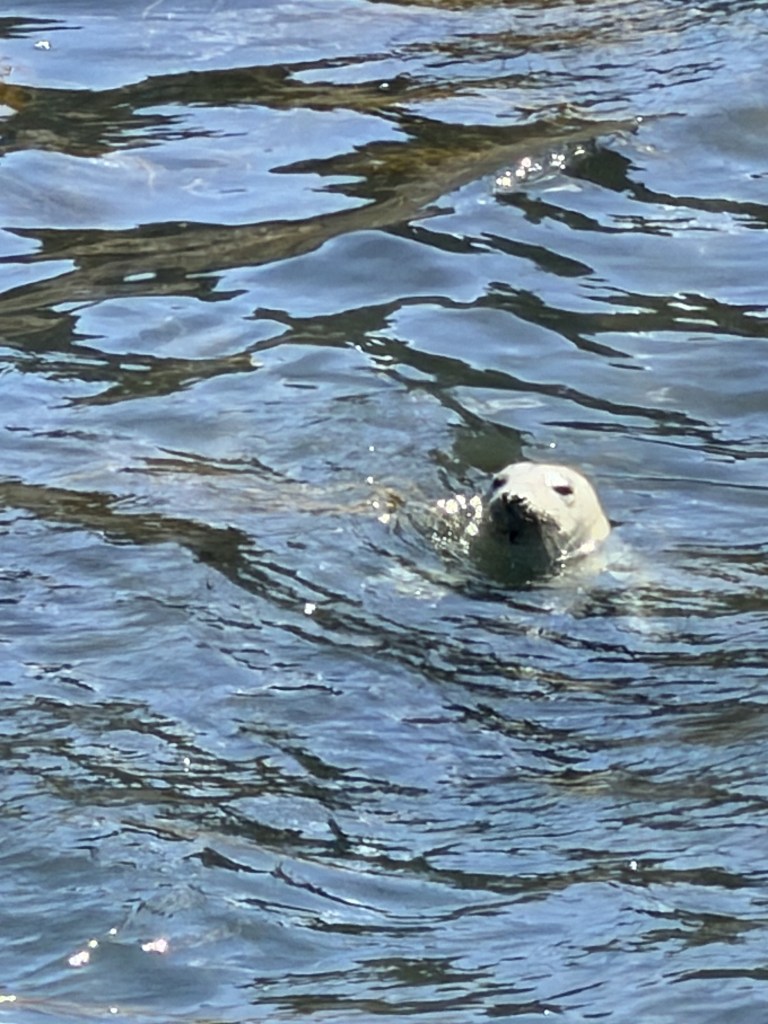
Would you like to join JMC for the day on our survey day expeditions, sweeping the reefs and coastal region aboard our rib SEAHORSE-JMC. These journeys will involve photographing and videoing Grey Seals and Dolphins. On some voyages we may deploy or retrieve acoustic equipment, tow remote underwater cameras or deploy drones.
We are looking for volunteers that would like to help who can handle the varying conditions we encounter around the Pater Noster, Dirouilles and West Minquiérs. These volunteers will help us map the haul out sites, record demographic information including physical markings that identify individuals and subsequently the movement patterns.
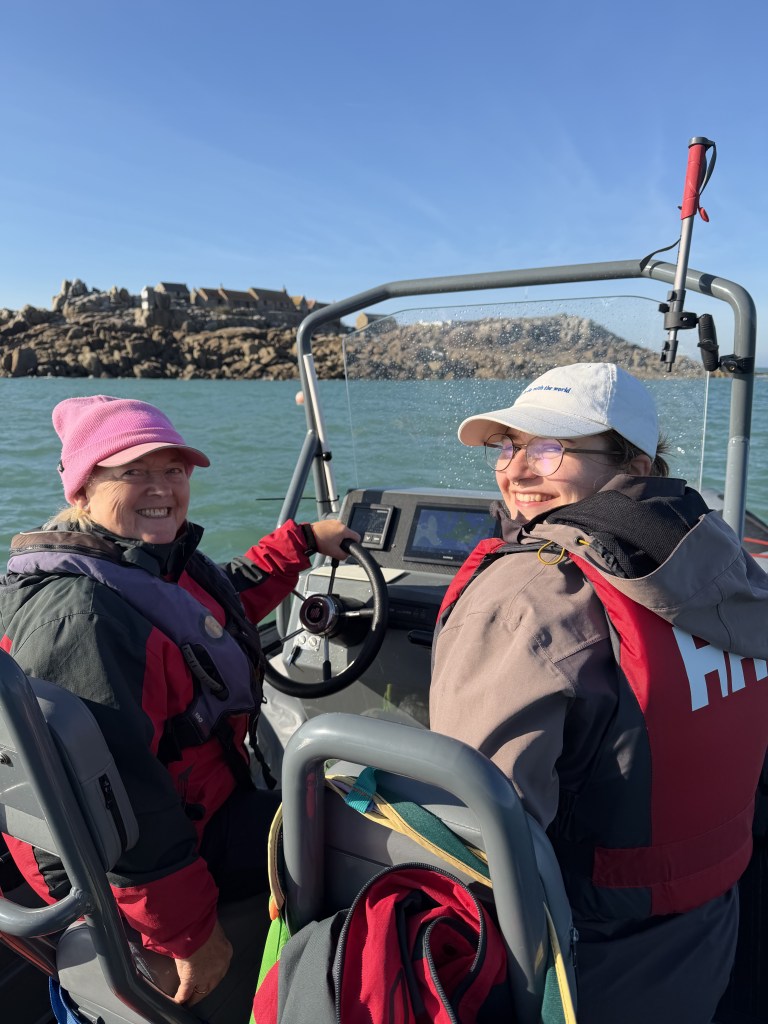
The rib will usually carry a team of 4 that includes at least 2 qualified skippers with first-aid and survival skills. Additionally, at least one team member is a trained British Divers Marine Life medic trained to deal with strandings and distressed marine mammals.
We will usually depart from St Helier, 2 hours before low tide, aiming to reach the survey sites while our resident population of Grey Seals are hauled out. We will record of presence and if possible, gather photos of individuals.
The plan is to publish findings through the Jersey Biodiversity Centre and form part of the European Seal Study being undertaken by the Seal Mammal Research Unit (SMRU) at St Andrews University in Scotland that includes the Channel Islands.
Alderney Wildlife Trust are coordinating the CI data and are setting a 3–4-day window of suitable tides throughout the pupping season. Teams have agreed to focus on specific areas and JMC will deploy a team that covers areas that are more isolated and challenging to reach.
Ideally volunteers will be keen wildlife photographers and/ or videographers skilled in obtaining close-up pictures but we would also welcome those keen on recording the team in action and composing media reports.
It should be noted that all participants will be asked to sign a disclaimer agreeing that JMC is not held liable for any personal injury, loss of equipment or any consequences arising from actions by any volunteers. Normal recreational insurance is of course in place covering those onboard the rib. In suitable conditions it may be possible to enter the water or even visit exposed areas of the reefs. Those disembarking from the rib for any reason do so entirely at their own risk. No insurance is in place and no liability can be accepted by JMC or its members.
Life Jackets and buoyancy aids are provided and used as appropriate but it is the volunteers responsibility to ensure appropriate waterproof clothing and suitable footwear are worn. Getting very wet and cold is a high risk. The skipper reserves the right to not permit volunteers to participate aif they feel a person is inadequately preared for the anticipated conditions. (Even on a sunny day condition can turn nasty resulting in high seas, cold winds and constant immersion in cold spray).
BACKGROUND ON THE SEALS
Seals are normally found in the colder waters of the Artic and Antarctic. There are two species associated with UK and European coastlines namely the Common and Grey Seal. Coexistence is evident but in general Grey Seal populations have increased while the Common Seal communities have declined significantly in numbers. Globally there are approximately 300,000 individuals and 40% of the world’s population lives if British and Irish waters. Oceanographicmagazine.com 2021. While sea temperatures remain favourable and there are adequate food sources the Grey Seal has been present in Channel Islands water.

Surprisingly we know very little about the life cycle of our local seal group in terms of longevity, breeding or behaviour resulting from disturbance or extreme weather conditions.
