Jersey has been shaped by a remarkable combination of natural and historical forces. Its geology and wildlife created the conditions that shaped the distinctive evolution of our present day community.
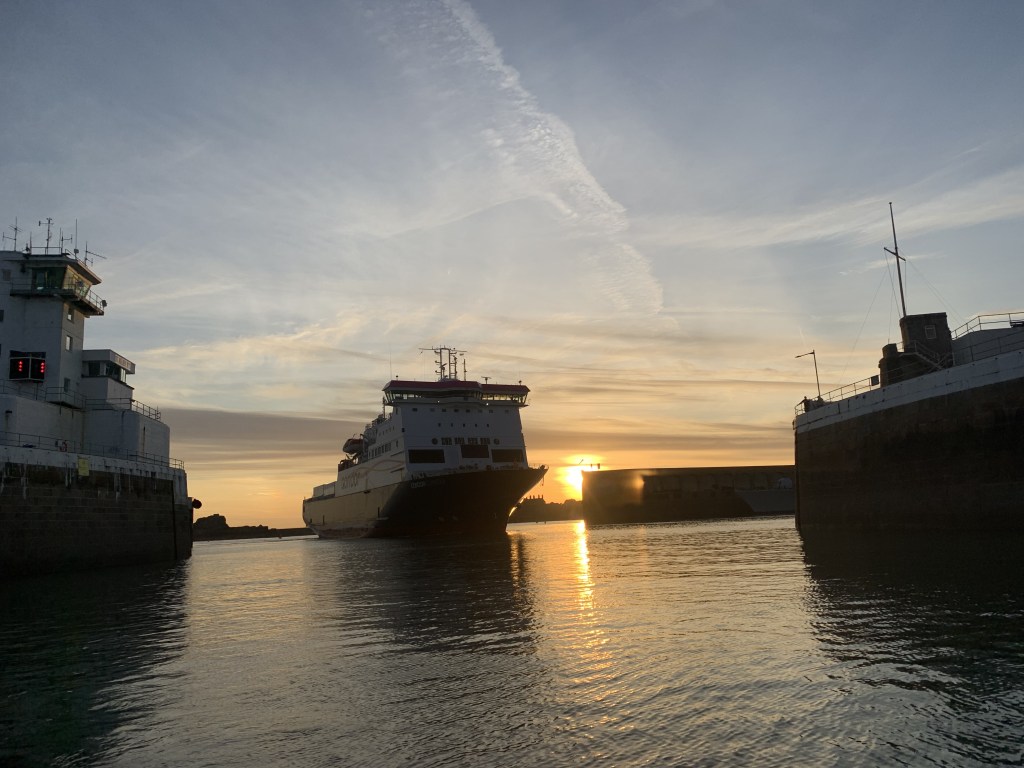
Our island reflects an enduring cycle of sustainability and adaptation—qualities that have always been essential to survival. Islanders live in close proximity to the sea, and we continue to cross it, perhaps in ever-increasing numbers and at ever greater speed. Yet the sea remains a power we will never subdue. It deserves our respect, understanding and care.
Within Jersey’s boundaries, we have a stunning countryside. Too often, however, its value is diminished by the human pressures on natural resources and a limited understanding of how ecosystems function.
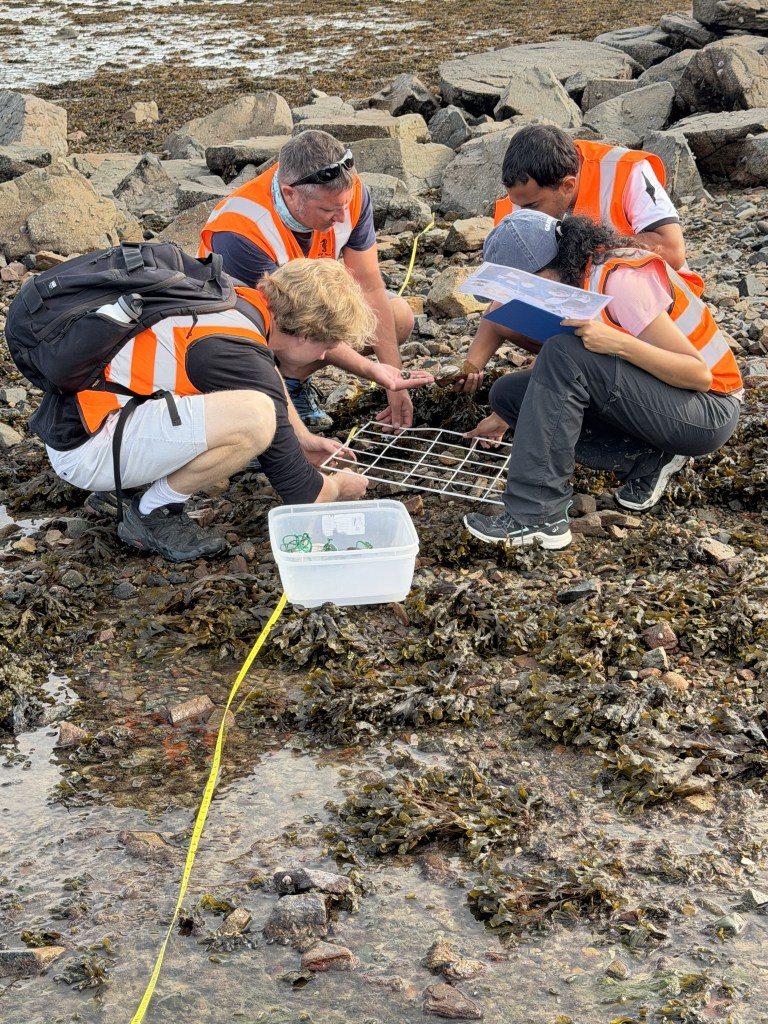
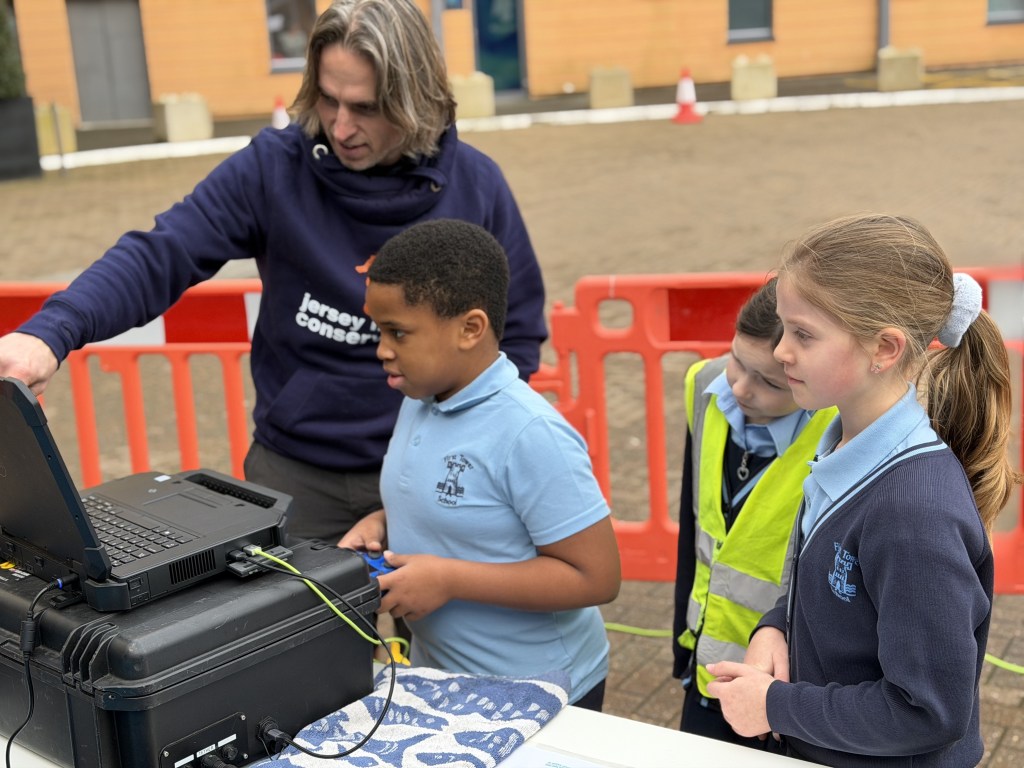
JMC is particularly supportive of a proposed Cambridge OCR, Natural History GCSE, that we should seriously consider, as it offers an important opportunity to address the developing situation. The GCSE recognises that knowledge of the natural world is a fundamental part of securing an ethically responsible and sustainable future.
Natural resources should be regarded as essential to our lives—not as distant or abstract concerns, but as fundamental as the food and clothing available in our shops. A genuine commitment to sustainability should inform the way we live: our physical activity, the food we eat and every breath we take. Well-being and mindfulness are important parts of this approach, yet their connection with natural history remains poorly understood.
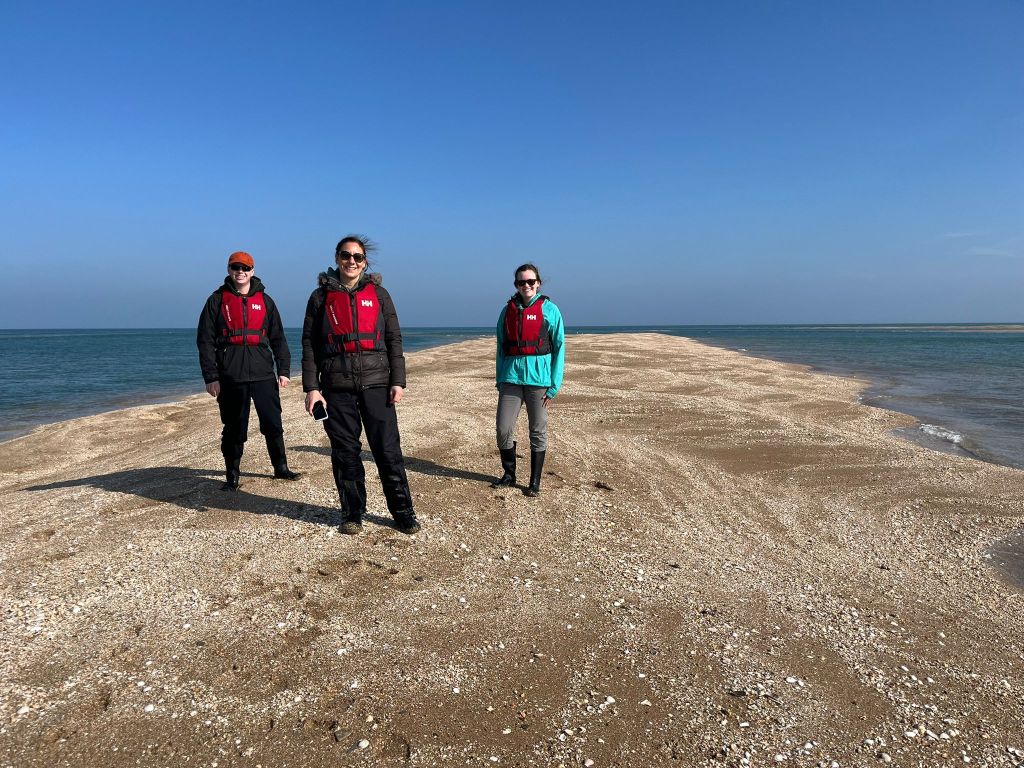
Conservation is more than a career. It should be part of everyone’s essential knowledge and practical toolkit for survival. Every industry and vocation should consider its environmental impact and include ecological benefits in the assessment of achievement. Environmental responsibility cannot remain the concern of a small specialist group; it must become part of the culture of every profession and every community.
Many young people are eager to pursue careers in conservation, but commercial workplaces do not always provide clear opportunities for them to follow these interests. If conservation remains a standalone career, it risks continuing as a separate agency rather than becoming a shared responsibility. The Natural History GCSE gives us a valuable opportunity to change this by encouraging a lifelong connection with the natural world.
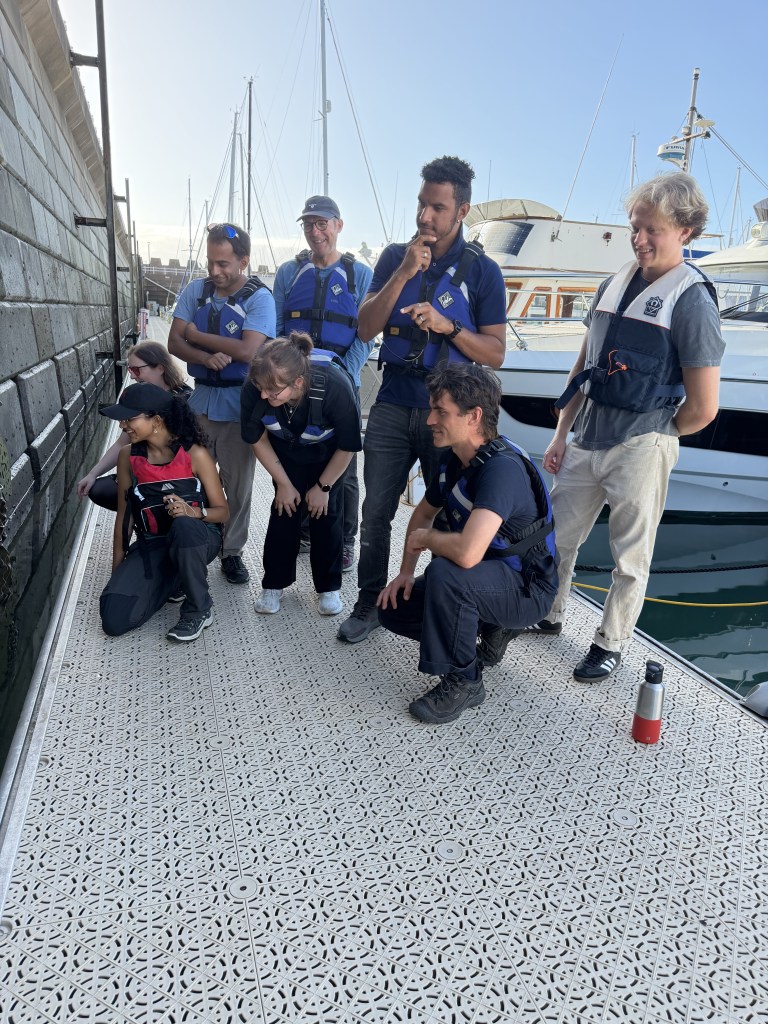
Jersey educationalists have an important role in helping young people understand the island they call home. Supporting the new Natural History GCSE would help ensure that future generations develop the knowledge, confidence and sense of responsibility needed to care for Jersey’s landscapes, wildlife and surrounding sea. It would also help them recognise that sustainability is not an optional extra, but a foundation for a healthy and resilient society.